Inflation and Its Effect on Investments Inflation is one of the most closely monitored economic indicators because it affects every individual, business, and government within an economy. It influences the purchasing power of consumers, the profitability of companies, the decisions of policymakers,
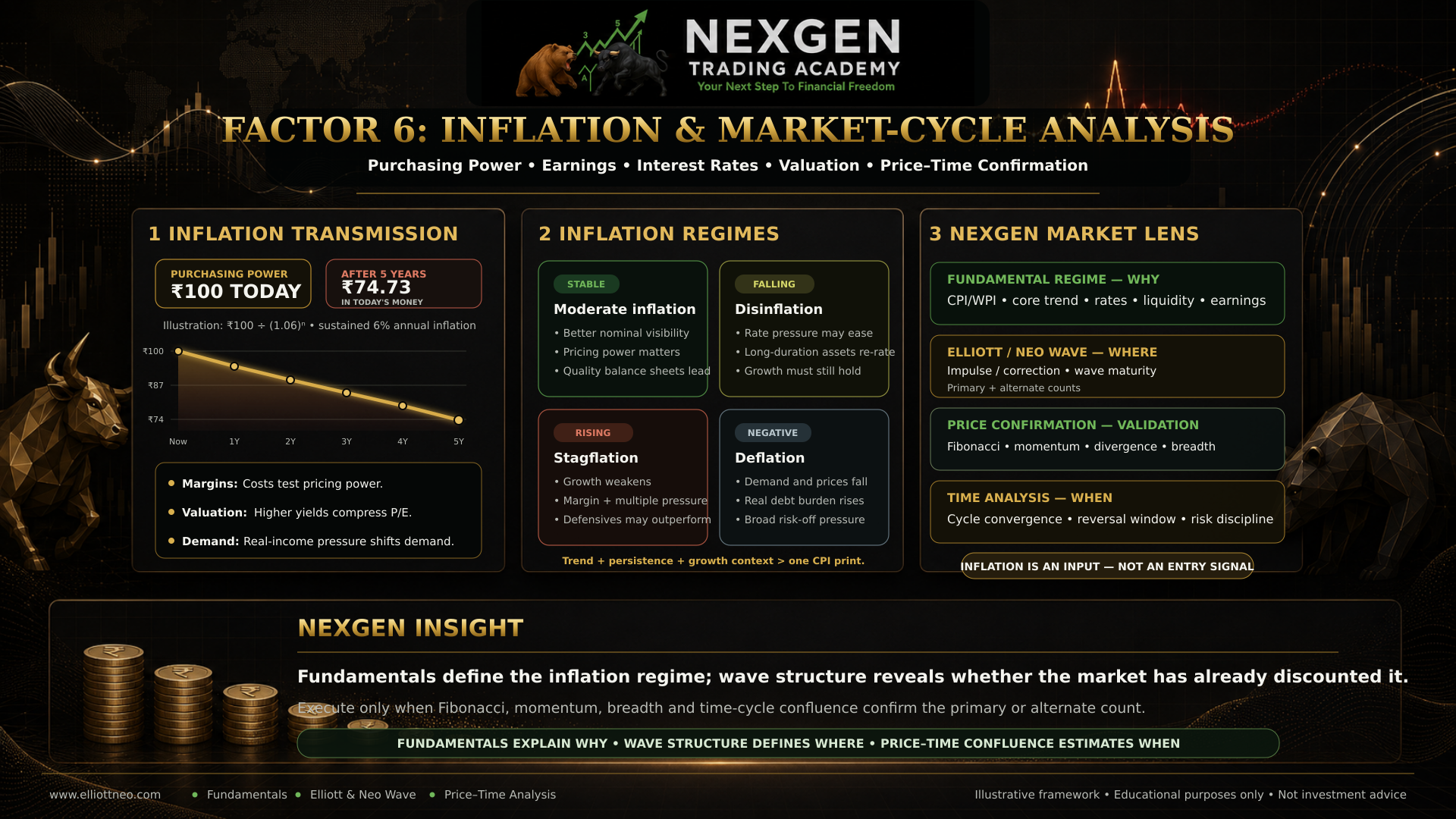
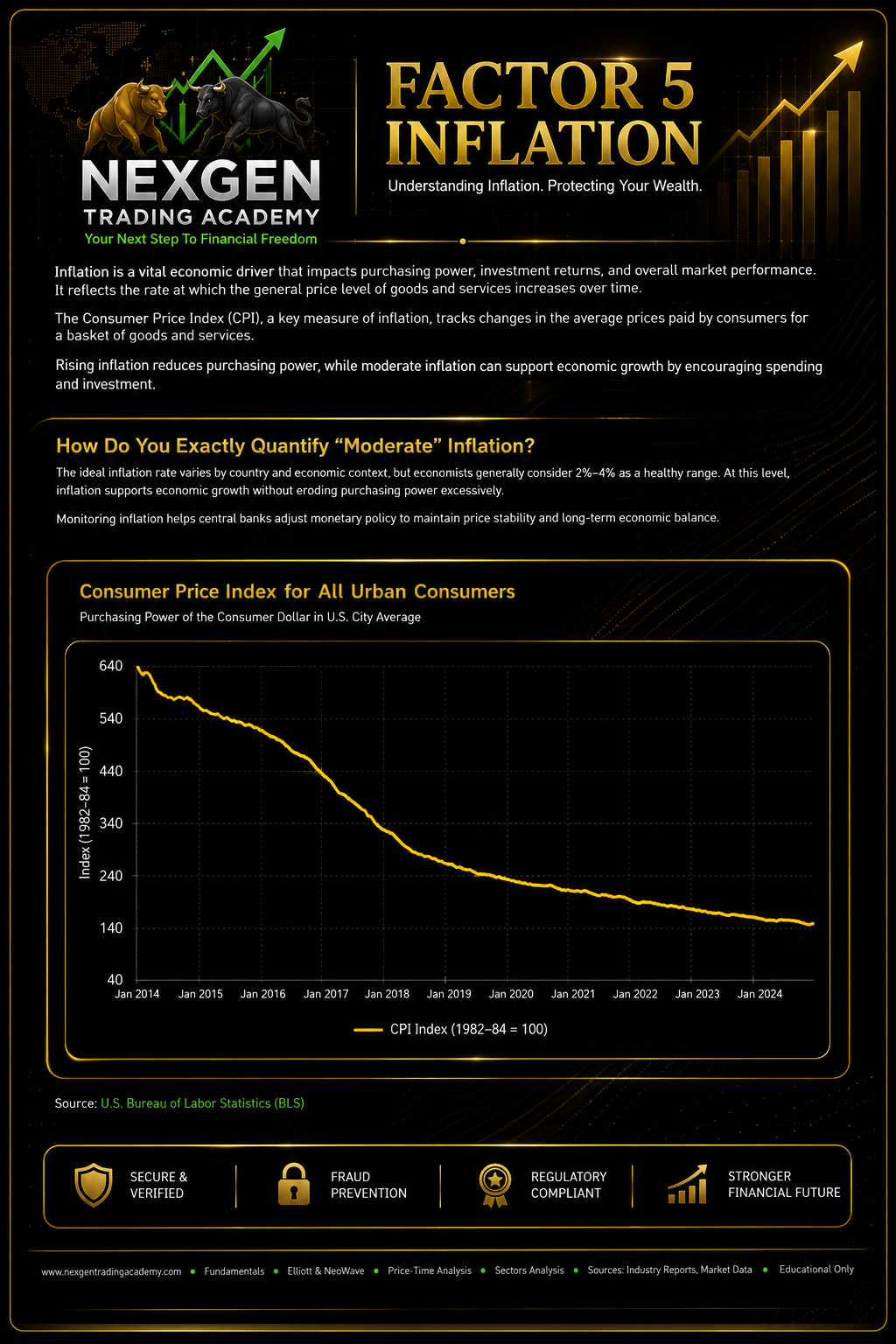
Inflation is one of the most closely monitored economic indicators because it affects every individual, business, and government within an economy. It influences the purchasing power of consumers, the profitability of companies, the decisions of policymakers, and the performance of financial markets. While moderate inflation is generally considered a sign of a growing economy, excessive inflation can create uncertainty, reduce investment, and slow economic activity. For investors, understanding inflation is essential because changes in the general price level influence corporate earnings, interest rates, asset prices, and long-term investment returns.Inflation refers to the sustained increase in the general price level of goods and services over time. As prices rise, the purchasing power of money gradually declines, meaning that the same amount of money buys fewer goods and services than before. Inflation does not usually affect only a single product; instead, it reflects an overall increase in the cost of living across the economy. Economists and policymakers monitor inflation carefully because maintaining price stability is essential for sustainable economic growth.In India, inflation is commonly measured using indices such as the Consumer Price Index (CPI) and the Wholesale Price Index (WPI). The Consumer Price Index measures changes in the prices paid by consumers for a basket of commonly purchased goods and services, making it one of the most important indicators of household inflation. The Wholesale Price Index, on the other hand, measures changes in prices at the wholesale level before goods reach consumers. Together, these indicators help policymakers assess inflationary trends and formulate appropriate economic policies.A moderate level of inflation is generally regarded as healthy for the economy. As businesses expand, employment increases, incomes rise, and consumer demand grows, prices naturally experience gradual upward movement. Moderate inflation often reflects strong economic activity and increasing demand for goods and services. In India, the Reserve Bank of India aims to maintain inflation within a target range that supports economic growth while preserving price stability. Stable inflation allows businesses to plan future investments with greater confidence and encourages sustainable economic development.However, inflation becomes problematic when prices rise rapidly over an extended period. High inflation increases the cost of raw materials, transportation, wages, and energy, raising operating expenses for businesses across multiple industries. Companies then face an important decision: absorb the higher costs or pass them on to consumers through increased prices. Businesses that possess strong brands or limited competition often have greater pricing power, allowing them to increase prices without significantly reducing customer demand. Companies lacking this ability may experience declining profit margins as rising costs reduce overall profitability.The effect of inflation differs across industries. Businesses involved in the production of essential commodities or natural resources may benefit from rising prices because the value of their products increases. For example, companies producing crude oil, metals, or agricultural commodities may experience higher revenues during inflationary periods. Conversely, industries that depend heavily on these commodities as production inputs may face rising costs that reduce profitability. Airlines, transportation companies, automobile manufacturers, paint producers, and chemical industries often experience increased operating expenses when fuel or raw material prices rise sharply.Inflation also influences consumer behaviour. As the prices of essential goods such as food, fuel, housing, and healthcare increase, households allocate a larger share of their income toward basic necessities. This reduces disposable income available for discretionary spending on products such as electronics, luxury goods, travel, entertainment, and automobiles. Consequently, companies operating in non-essential consumer sectors may experience slower sales growth during periods of high inflation.One of the most significant consequences of rising inflation is its impact on interest rates. Central banks often respond to persistent inflation by increasing policy interest rates to reduce money supply and moderate consumer demand. Higher interest rates make borrowing more expensive for businesses and households, slowing investment and consumption. Although these measures help control inflation over time, they may also reduce corporate earnings and weaken stock market performance in the short term. Investors therefore closely monitor inflation data because it often influences future monetary policy decisions.Inflation affects investment returns in different ways depending on the type of asset. Fixed-income investments such as bank deposits and bonds provide predetermined returns that may lose purchasing power if inflation rises significantly. For example, if a fixed deposit earns 6 percent annually while inflation rises to 7 percent, the investor experiences a decline in real purchasing power despite earning positive nominal returns. This highlights the importance of distinguishing between nominal returns, which represent stated investment gains, and real returns, which account for the effect of inflation.Equity investments, however, often provide better protection against moderate inflation over the long term. As prices increase, well-managed companies may generate higher revenues by adjusting the prices of their products and services. Businesses capable of maintaining profitability despite rising costs often continue creating value for shareholders. For this reason, equities are frequently regarded as a long-term asset class capable of preserving purchasing power better than many fixed-income investments, although they remain subject to market volatility.Nevertheless, extremely high inflation creates uncertainty that affects almost every sector of the economy. Businesses struggle to forecast future costs, consumers reduce discretionary spending, investment decisions become more difficult, and financial markets experience increased volatility. Investors become cautious as economic uncertainty grows, often leading to weaker stock market performance until inflation stabilizes.Historical experience demonstrates that prolonged periods of excessive inflation can have severe economic consequences. Rapid inflation reduces the value of money, discourages savings, increases production costs, and complicates long-term business planning. In extreme cases, known as hyperinflation, the purchasing power of currency declines dramatically within a short period, severely disrupting economic activity. Although such situations are relatively rare, they illustrate the importance of maintaining price stability within an economy.For investors, inflation should never be analysed in isolation. It interacts closely with other macroeconomic indicators such as interest rates, crude oil prices, exchange rates, fiscal policy, and economic growth. Rising commodity prices may contribute to inflation, while changes in monetary policy may influence inflation over time. Understanding these relationships enables investors to develop a more balanced view of market conditions rather than reacting solely to individual economic announcements.Successful investors also recognize that not every increase in inflation has the same implications. Temporary price increases caused by supply disruptions may have different economic effects than persistent inflation resulting from excessive demand. Careful analysis of the underlying causes of inflation helps investors distinguish between short-term market fluctuations and longer-term structural changes affecting business performance.In conclusion, inflation is one of the most influential macroeconomic indicators affecting businesses, consumers, governments, and financial markets. Moderate inflation often accompanies economic growth, while excessive inflation increases uncertainty, raises production costs, and influences monetary policy. By understanding how inflation affects corporate profitability, consumer spending, investment returns, and interest rates, investors become better equipped to evaluate economic conditions and make informed long-term investment decisions. As part of a broader macroeconomic framework, inflation remains an essential factor in understanding the behaviour of financial markets and the overall economy.
Core Principle: Inflation and Its Effect on Investments Inflation is one of the most closely monitored economic indicators because it affects every individual, business, and government within an economy. It influences the purchasing power of consumers, the profitability of companies, the decisions of policymakers,
Core Concepts & Foundational Principles
Mastering inflation and its effect on investments inflation is one of the most closely monitored economic indicators because it affects every individual, business, and government within an economy. it influences the purchasing power of consumers, the profitability of companies, the decisions of policymakers, builds lasting financial clarity, confidence, and disciplined execution.
Summary & Key Takeaways
Mastering inflation and its effect on investments inflation is one of the most closely monitored economic indicators because it affects every individual, business, and government within an economy. it influences the purchasing power of consumers, the profitability of companies, the decisions of policymakers, is vital for developing sound financial and investment discipline..
Key Mechanics & Frameworks
Consistent long-term habits create significantly greater wealth than short-term speculative decisions..
Continuous study and structured application of Macroeconomic Indicators and Their Impact on Stock Markets Understanding How Economic Forces Shape Investment Decisions empowers smart decision-making..
Summary & Key Takeaways
- Consistent long-term habits create significantly greater wealth than short-term speculative decisions.
- Summary & Key Takeaways.
- Mastering the key concepts of inflation and its effect on investments inflation is one of the most closely monitored economic indicators because it affects every individual, business, and government within an economy. it influences the purchasing power of consumers, the profitability of companies, the decisions of policymakers, is essential for sustained growth and risk management..
- Disciplined, consistent execution consistently outperforms short-term emotional impulses..